A professional wig detangling service is required when your hairpiece exhibits severe matting, extreme stiffness, or fiber breakage that home treatments cannot resolve. These signs, combined with a loss of shine or persistent knots, indicate that expert intervention is necessary to restore the wig's integrity and prevent further damage from improper brushing.
A matted wig can transform an elegant investment into a source of daily stress. You might notice stubborn knots at the nape of the neck or a loss of natural movement that your standard brush simply cannot resolve. Forcing these tangles out at home often leads to irreversible shedding and damage to the delicate lace foundation. Understanding when to put down the comb and seek professional intervention is essential for preserving the lifespan of your unit. In this guide, we will explore the five critical signs that your wig requires a professional detangling service. We will also highlight the common DIY mistakes that could cost you your favorite hairpiece; additionally, we provide practical advice on maintaining your Fresh Crown between professional visits.
Understanding Why Wigs Tangle and Mat
Maintaining a high quality hairpiece requires an understanding of how its fibers react differently than biological hair. Unlike natural hair, wig fibers do not receive protective oils from the scalp. These oils provide essential lubrication that prevents strands from snagging against one another. Without this constant source of moisture, both human hair and synthetic wigs become prone to dryness, which increases static and microscopic surface roughness.
In the Hampton Roads area, environmental factors accelerate this process. The persistent local humidity often causes fibers to swell or become unruly, while atmospheric salt can contribute to a stiff, unmanageable texture. Friction serves as the primary mechanical cause of matting, particularly at the nape of the neck where the hair constantly rubs against clothing. This repetitive motion creates tight, dense knots that are nearly impossible to undo without risking fiber breakage.
Furthermore, the cumulative buildup of styling products and environmental pollutants creates a tacky residue on the hair. When these factors converge, the resulting tangles often exceed what a standard home brush can safely handle. Utilizing a professional expert wig washing and detangling service becomes necessary to remove this buildup and restore the piece's original movement without compromising the integrity of the lace or the hair strands themselves.
5 Signs You Need a Professional Wig Detangling Service
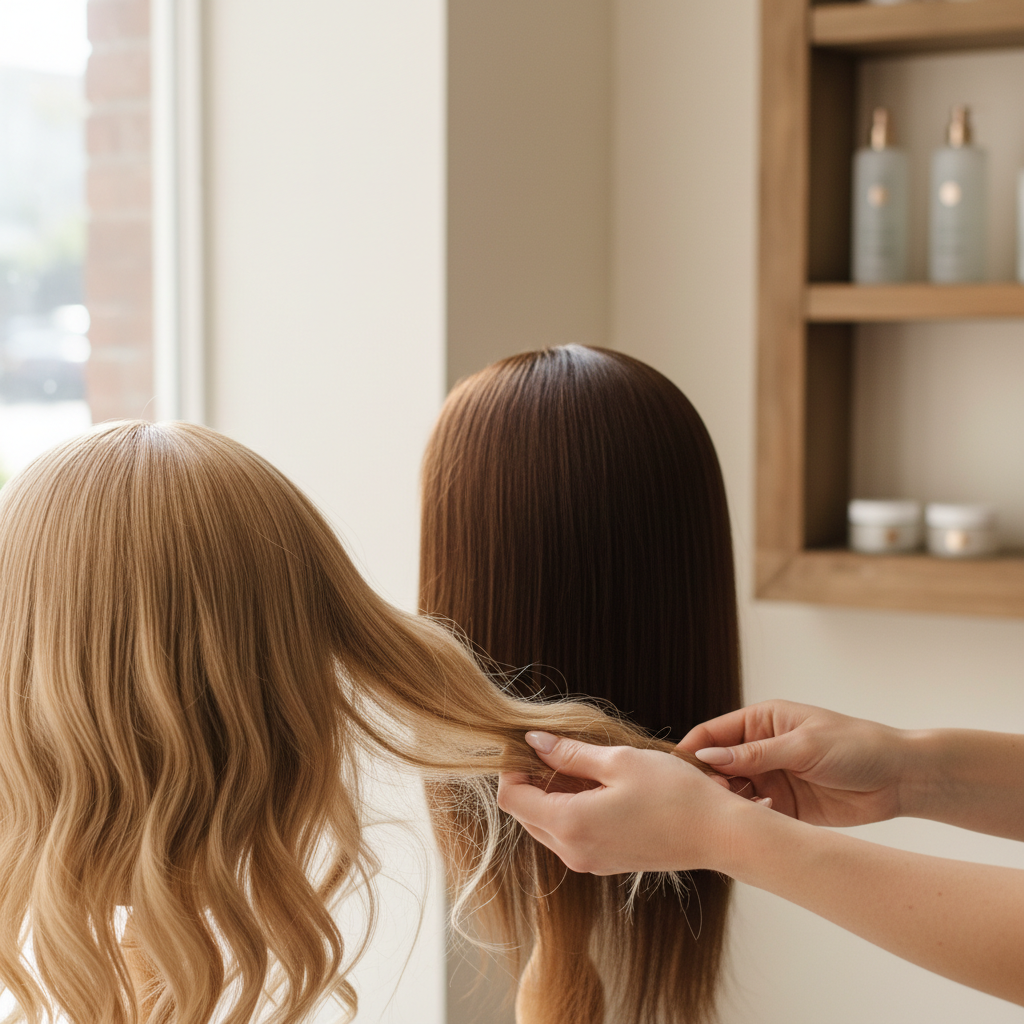
Identifying the transition from routine maintenance to a necessary professional intervention is key to preserving the longevity of your investment. When the structural integrity of the hair is compromised by environmental stressors in the Hampton Roads area, home remedies often prove insufficient. The following signs indicate that a wig requires the specialized attention found in a professional expert wig washing and detangling session.
The Nape Knot: This is the most common indicator of mechanical stress. When the hair at the base of the neck forms a dense, solid mass, it has often reached a point where standard combing will only tighten the knot. This localized matting occurs because of constant friction against clothing, creating a felted texture that requires professional grade lubricants to safely separate.
Loss of Movement: A healthy wig should move fluidly with your body. If the hair feels stiff, crunchy, or remains in one block when you turn your head, the fibers have likely become intertwined at a microscopic level. This rigidity often stems from a lack of hydration that simple leave-in conditioners cannot fix.
Excessive Shedding: Noticing a significant increase in hair left in your comb suggests that knots are causing the fibers to snap or are pulling them from the hand-tied knots in the lace. If your brush is filling with hair more quickly than usual, it is a sign that the tangles are too severe for DIY methods.
Visible Frizz and Split Ends: Synthetic wigs often develop a fried appearance at the ends due to friction. These frayed ends act like Velcro, catching other strands and accelerating the matting process. Professional steaming or fiber smoothing is often required to restore the sleek finish.
Product Buildup: A tacky or gummy texture that persists after a home wash indicates that silicones, hairsprays, or atmospheric pollutants have bonded to the hair. This residue creates high surface friction, making detangling nearly impossible without professional clarifying treatments.
Resolving these issues at home is difficult because most consumers lack the necessary tools, such as professional-grade steamers, specialized detangling solutions, and adjustable wig blocks. Attempting to force these knots out often leads to permanent mechanical damage, including torn lace or bald patches. If you recognize these signs, you should contact Fresh Crown to arrange a professional assessment before the damage becomes irreversible.
The Danger Zone: Common DIY Detangling Mistakes to Avoid
When a wig begins to show signs of matting, the natural instinct is to search for immediate solutions. However, many internet hacks are designed for household chores rather than the preservation of a premium accessory. Implementing these unverified methods often results in permanent structural damage that even professional restoration may not be able to fully reverse.
One of the most damaging recommendations involves using Dawn dish soap to strip away product buildup. While these soaps are excellent at cutting through grease, they are far too aggressive for wig fibers. The harsh surfactants strip the protective coatings that maintain the hair's luster and smoothness, leaving the strands brittle and prone to breakage. Once these essential coatings are removed, the hair becomes significantly more susceptible to future tangling.
Similarly, excessive vinegar soaks are often suggested to reset the pH of the hair or remove mineral deposits. If the concentration is too high or the soaking period is too long, the acidity can compromise the structural integrity of the lace. This is particularly dangerous for high quality pieces, as the chemicals can weaken the tiny knots where the hair is tied, leading to premature balding or visible holes in the delicate mesh.
The most frequent cause of irreparable harm is improper brushing technique. Brushing from the roots down toward a knot creates a concentrated point of tension that leads to mechanical damage. This force permanently stretches the hair fibers, resulting in a distorted, frizzy texture that no longer reflects light naturally. Furthermore, excessive pulling often causes the lace cap to tear, which is a complex and costly repair.
A professional expert wig washing and detangling service uses pH balanced solutions and specialized lubricants designed to allow knots to slide apart without stress. If a DIY attempt has left your piece feeling gummy or stiff, it is critical to contact Fresh Crown to stabilize the fibers before further mechanical damage occurs.
How to Safely Manage Light Tangling at Home
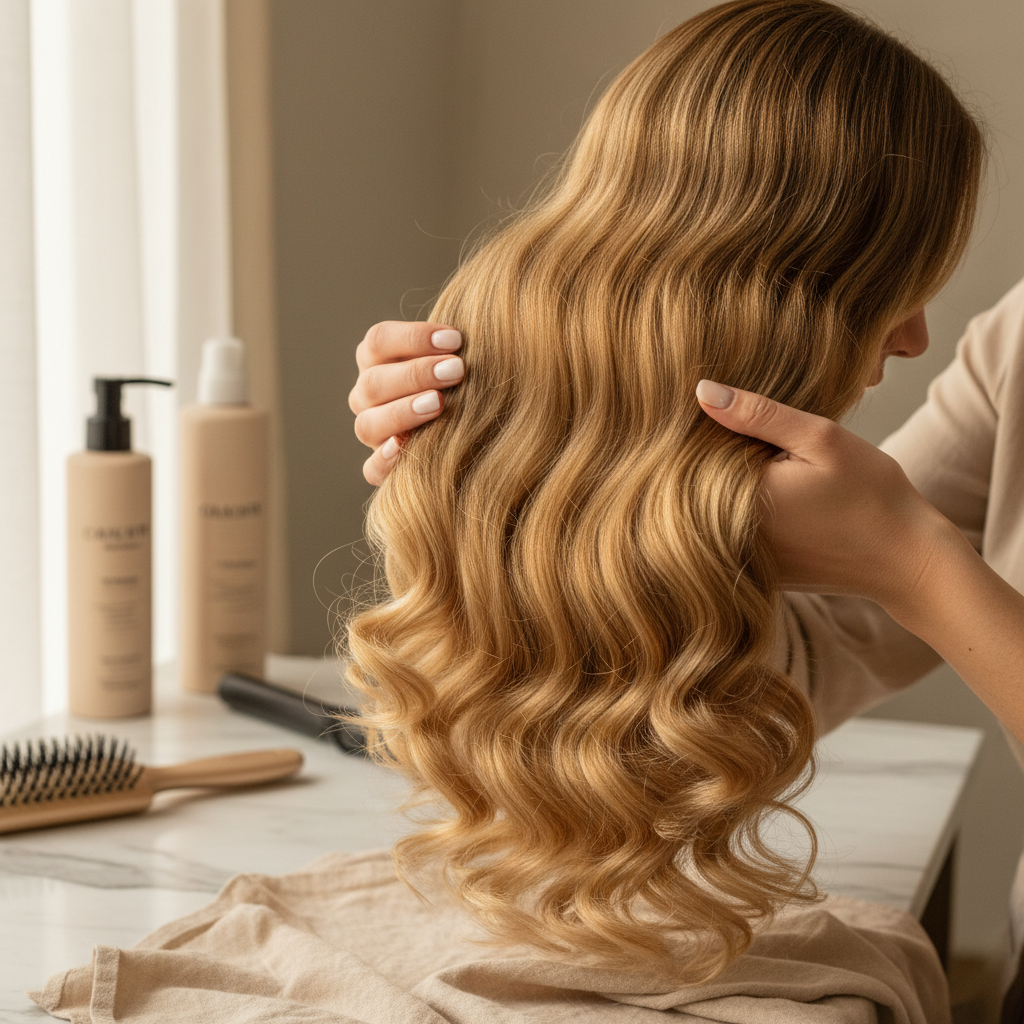
Managing minor knots between scheduled appointments requires a disciplined approach to prevent structural damage. To brush a wig without ruining the fibers, always begin with a wig-safe detangling spray or a light misting of water. This lubrication reduces friction and allows strands to slide past one another more easily than they would when dry.
The most effective technique is the bottom-up method. Divide the hair into small, manageable sections. Starting at the very tips of the hair, use a wide-tooth comb to gently tease out small snags. Once the bottom inch is clear, move your hands up and work on the next inch. This progression ensures that you are not dragging tangles into each other, which creates the massive knots that lead to permanent fiber stretching and frizz.
Specific tools are non-negotiable for this process. A wide-tooth comb is preferable over a standard paddle brush because it places significantly less tension on the lace cap. If you encounter a knot that requires more than gentle pressure to move, it is time to stop. Forcing a comb through a stubborn mat can result in balding the piece by snapping the fibers or pulling the hand-tied knots through the delicate lace. In these instances, relying on a professional expert wig washing and detangling service is the safest way to preserve the integrity of your investment.
Why Fresh Crown is the Preferred Choice for Hampton Roads Residents
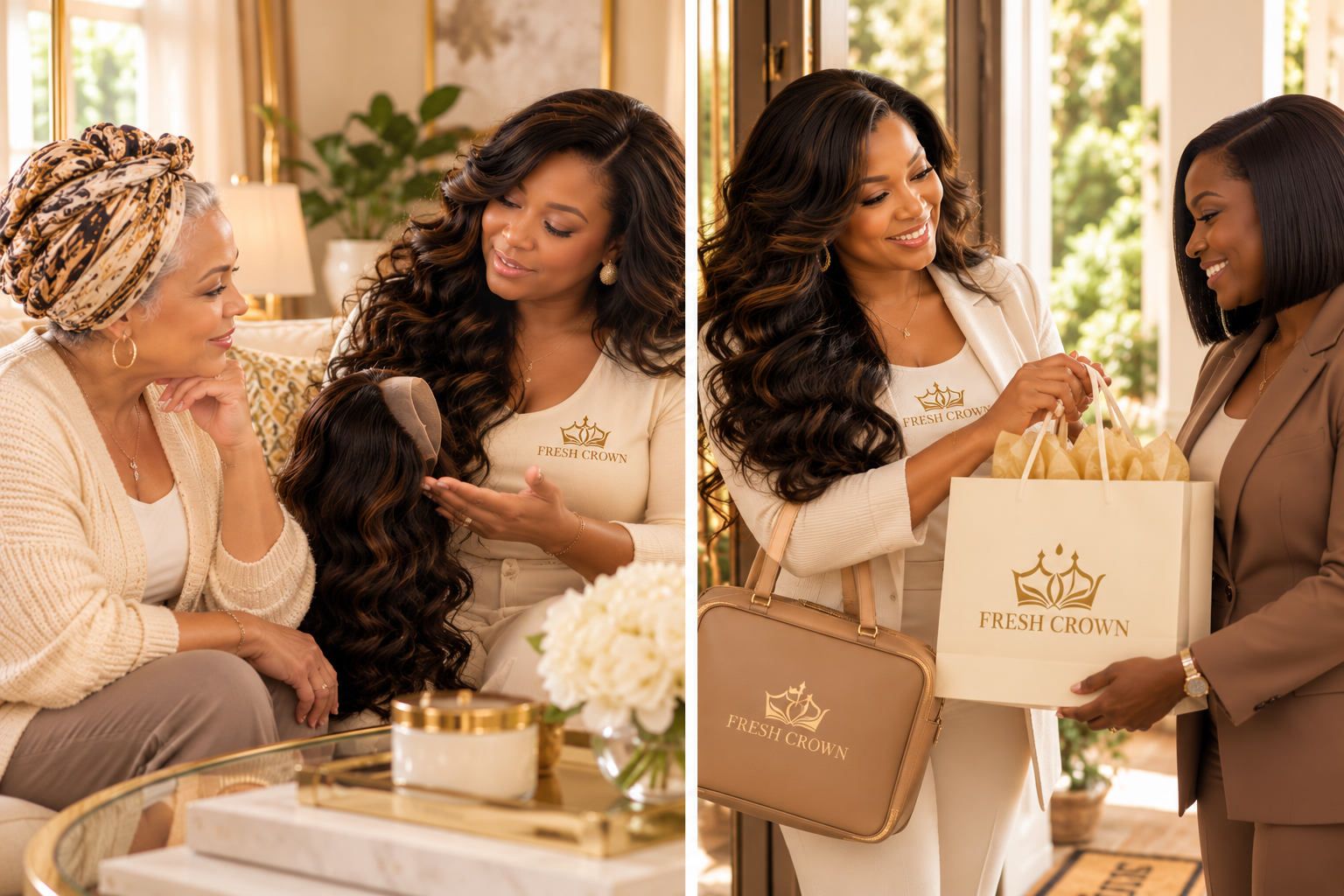
Fresh Crown addresses the specific logistical and environmental challenges faced by residents in Hampton, Newport News, Yorktown, and Poquoson. While many individuals attempt to manage their hairpieces at home, the physical requirements of proper maintenance can be taxing. For seniors, the repetitive motion and fine motor skills needed for a thorough expert wig washing and detangling session can lead to physical strain or unintentional damage to the lace. Fresh Crown mitigates these risks by providing a specialized pickup-based service that removes the physical burden from the client entirely.
Busy families in the Hampton Roads area often struggle to find time for high-level accessory maintenance. The traditional salon model requires multiple trips and waiting periods, which disrupts daily schedules. Fresh Crown streamlines this process by handling the logistics, allowing clients to maintain their professional appearance without sacrificing hours of their week. This service is not limited to hair; it also includes professional makeup brush cleaning, ensuring that every aspect of a client's beauty routine meets clinical standards of hygiene.
By choosing a local wig detangling service that understands the impact of Virginia’s coastal climate, residents ensure their expensive investments receive calibrated care. Fresh Crown utilizes specific methods to counteract the stiffness caused by local humidity and salt air, extending the life of both human hair and synthetic pieces. To schedule a pickup or learn more about our preservation techniques, clients can contact Fresh Crown to speak with a maintenance expert.
Frequently Asked Questions About Professional Wig Care
The approach to detangling depends heavily on the fiber type. For human hair pieces, it is generally safer to detangle when the hair is dry or only slightly dampened with a specialized spray. Human hair fibers stretch when wet, making them more prone to snapping under the tension of a comb. Conversely, synthetic fibers benefit from a fine mist of water or a silicone based detangler to neutralize static before work begins. In a professional setting, we often use controlled steam to soften synthetic fibers without the mechanical stress of traditional brushing.
In many cases, a severely matted wig can be restored to a wearable state. Success depends on whether the fibers have suffered permanent heat damage or mechanical breakage. If the knots are simply a result of friction and product buildup, an expert wig washing and detangling session can safely separate the strands and restore their movement. However, if the crunchy texture is caused by melted synthetic fibers or extensive split ends, the piece may require a professional trim alongside the detangling process.
Professional maintenance significantly extends the utility of your hairpiece. A high quality human hair wig can last between one and three years when it receives regular deep conditioning and expert handling. Synthetic wigs, which typically show signs of wear after three to four months, can often remain in peak condition for six months or longer with routine professional intervention. By outsourcing these tasks to a dedicated wig detangling service, you prevent the cumulative damage that leads to premature disposal. If your piece is beginning to feel unmanageable, you should contact Fresh Crown to evaluate its current condition.
Caring for your wig requires patience and the right techniques to prevent long term damage. While DIY methods can work for minor tangles, some situations call for a specialized touch to restore your hair to its original beauty. If you want expert help to revive your favorite unit, you can learn more about our commitment to quality on our About page. We are here to ensure your crown always looks its best; let us handle the difficult knots for you.